Custom Home Designs

10 Unique Features to Include in Your Custom Home Design

Building a custom home is about more than just square footage; it is about crafting a space that functions as a seamless extension of your lifestyle. In 2026, the trend has shifted from "bigger is better" to "smarter and more intentional."

Here are 10 unique features to consider.

  1. The "Scullery" or Prep Kitchen

  2. Seamless Smart Home Integration

  3. Wellness-Centric Spa Bathrooms

  4. High-Performance Building Envelopes

  5. The "Analog" Retreat

  6. Hidden Storage & Secret Rooms

  7. Indoor-Outdoor Transitions

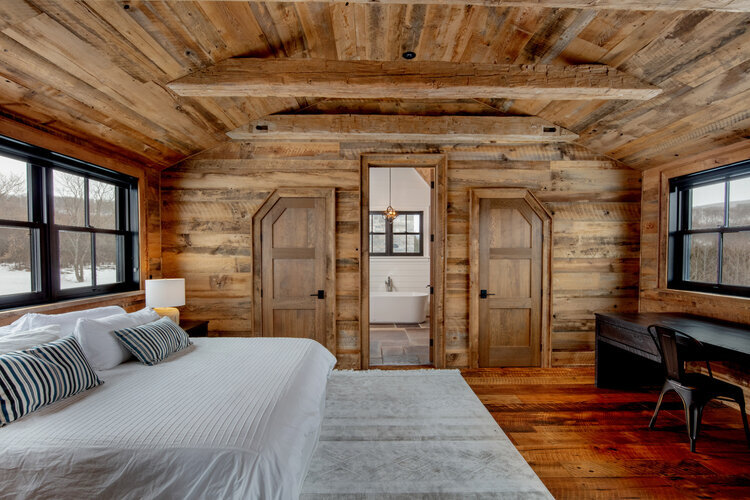
  8. Biophilic Design & Natural Timber Accents

  9. The Mudroom "Command Center"

  10. Flexible Multi-Generational Suites

By partnering with an experienced builder like L Patten & Sons, who brings over 60 years of craftsmanship to the Collingwood and Blue Mountain area, you can move beyond standard layouts to include features that truly define your home.

Contact us today to get started incorporating unique features into your custom home design.


Key Takeaways

  • Intentional Design: Modern luxury is defined by "invisible" technology and wellness-focused spaces.

  • Efficiency as Standard: Energy-efficient upgrades like high-performance envelopes are now a core expectation for long-term value.

  • Function Meets Whimsy: Unique features like hidden pantries and "analog rooms" add both utility and personality.

  • The L Patten Advantage: Custom builders offer the specialized craftsmanship required for complex features like timber framing and integrated smart systems.

1. The "Scullery" or Prep Kitchen

As open-concept living remains the standard, the main kitchen has evolved into a social stage. A scullery is a secondary, functional kitchen tucked behind the main cabinetry.

It typically houses a second dishwasher, large sinks, and heavy-use appliances like the coffee station or air fryer.

Value:

  • This feature allows the main island to remain a clean, beautiful focal point for entertaining while the actual work of meal prep and cleanup happens out of sight.

  • By decoupling heavy meal preparation from the social atmosphere of the primary living space, the scullery ensures that the heart of the home remains an inviting, clutter-free environment for guests.

2. Seamless Smart Home Integration

In 2026, "smart" design means the technology is felt but not seen. This involves integrated lighting systems that adjust colour temperature based on the time of day (circadian lighting), invisible in-wall speakers, and climate zones managed by AI that learns your family's schedule.

Value:

  • Beyond the "cool factor," integrated tech provides significant gains in security and energy management.

  • When technology is woven into the architecture rather than added as an afterthought, it elevates the living experience from mere convenience to a state of intuitive ease, where the home anticipates the needs of its occupants.

3. Wellness-Centric Spa Bathrooms

The primary bathroom has transitioned from a utility room to a recovery zone.

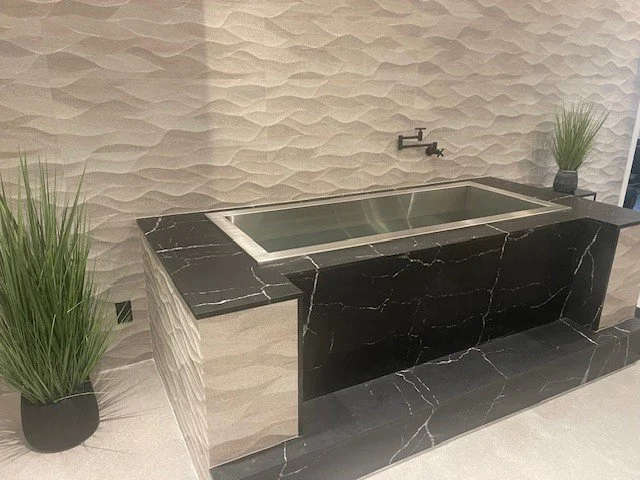
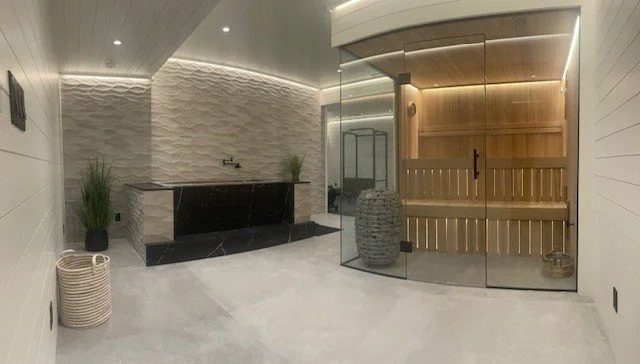
Current custom designs frequently include infrared saunas, steam showers with integrated aromatherapy, and dedicated alcoves for cold plunge tubs.

Value:

  • These features promote physical recovery and mental health directly within the home.

  • Investing in recovery-oriented spaces transforms daily hygiene into a ritual of restoration, providing a private sanctuary that supports long-term physical and mental well-being without the need for a spa membership.

Here's an example of a custom wellness area we have built, including a sauna and cold plunge tub.
4. High-Performance Building Envelopes

Often the most overlooked "luxury" feature, a high-performance envelope involves superior air sealing, triple-pane windows, and advanced insulation techniques.

This creates a "tight" house that requires very little energy to heat or cool.

Value:

  • High-performance construction ensures consistent temperatures in every room and a level of acoustic silence that standard builds cannot match.

  • A superior building envelope is the ultimate invisible luxury, offering unmatched thermal comfort and protecting the home’s structural integrity for generations to come.

5. The "Analog" Retreat

As homes become more connected, homeowners are increasingly requesting "device-free" zones.

These rooms are often acoustically treated and designed specifically for reading, listening to vinyl records, or quiet conversation, often featuring floor-to-ceiling libraries and no screens or speakers.

Value:

  • These spaces provide a necessary counter-balance to a hyper-connected world.

  • In an era of constant digital stimulation, the analog retreat serves as a vital sanctuary that encourages mindfulness, creativity, and deep human connection through intentional silence and a focus on tactile experiences.
6. Hidden Storage & Secret Rooms

Hidden storage goes beyond simple closets. It includes "Murphy" doors that blend into wood paneling to reveal a private office, under-stair drawers for seasonal gear, and motorized "appliance garages" that hide countertop clutter behind seamless panels.

Value:

  • Creative concealment allows for a minimalist, high-design aesthetic without sacrificing the storage needs of a busy household.

  • This approach ensures that every square foot of the home serves a functional purpose while keeping the visual environment serene and free of distracting clutter.

7. Indoor-Outdoor Transitions

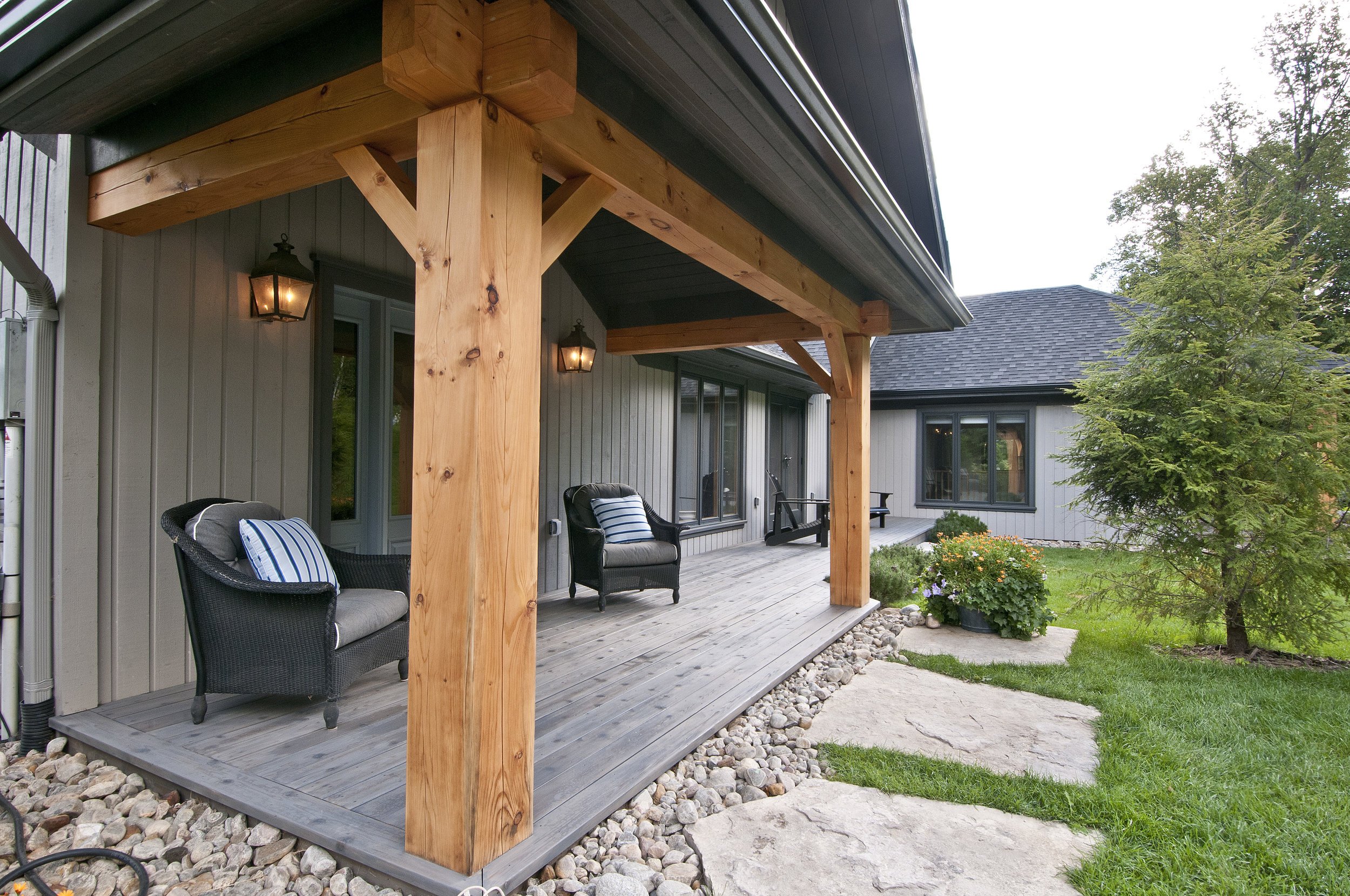
Modern custom homes prioritize a seamless "flow" between the interior and exterior, even in climates where winter is a dominant force. While the dream of year-round outdoor living is a growing trend, our local builds focus on smart transitions that respect our northern seasons.

In our region, this is best achieved through:

  • Expansive Sliding Glass Doors: Massive glass panels that open wide to "dissolve" the walls during the warmer months.

  • Integrated 3-Season Spaces: Screened or glass-enclosed areas that provide a protected buffer, allowing you to enjoy the outdoors earlier in the spring and later into the fall.

  • Visual Connectivity: Using floor-to-ceiling glass to maintain a constant visual link to nature, even when it’s too cold to step outside.

Value

  • Expanding the living area into the outdoors increases the perceived square footage and connects residents to the landscape.

  • By designing for high-impact transitions, we create a home that "breathes" with the seasons—maximizing your lifestyle possibilities for hosting and relaxation whenever the weather permits.

8. Biophilic Design & Natural Timber Accents

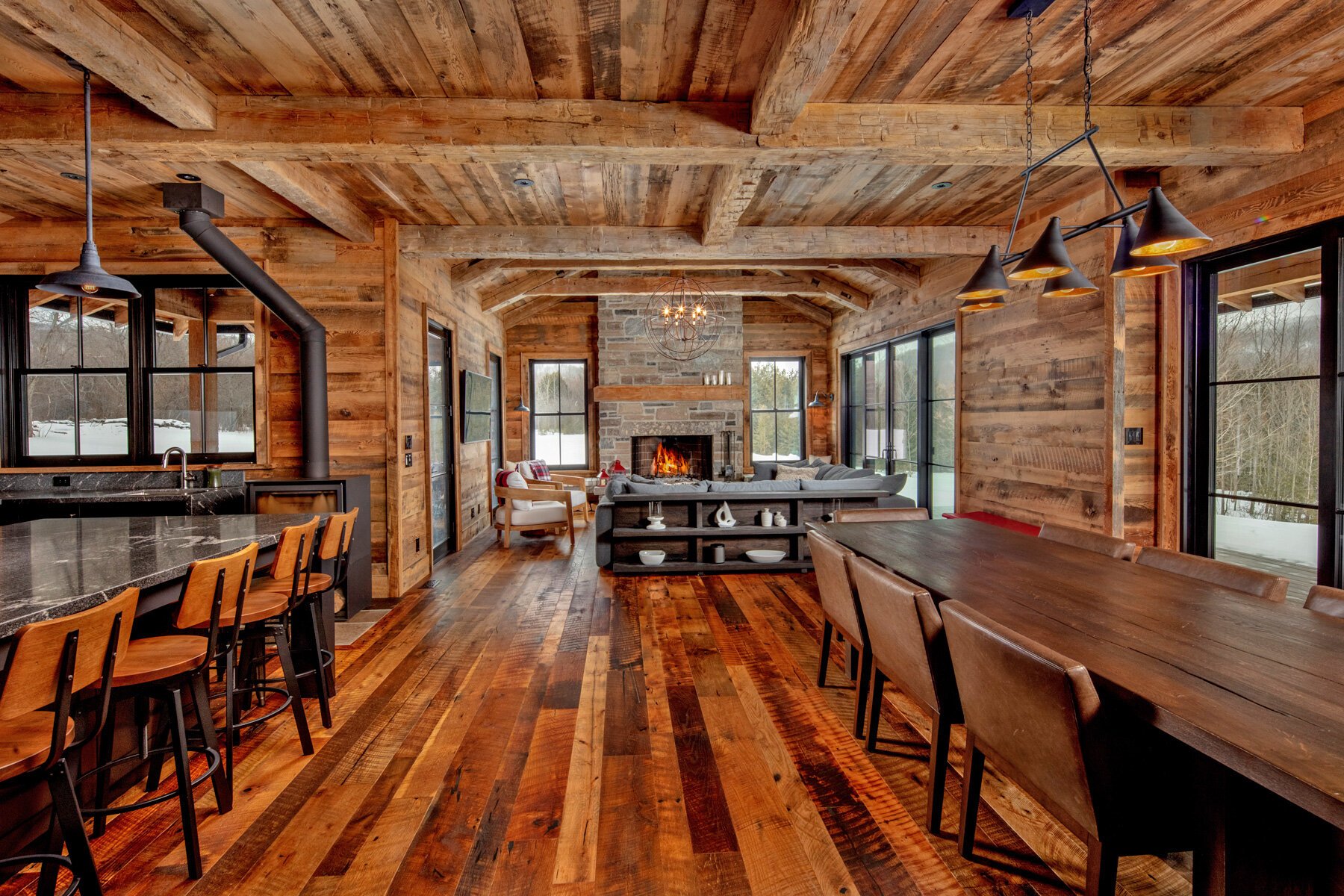
Biophilic design incorporates natural elements like living moss walls, indoor herb gardens, and exposed, hand-hewn timber beams. This style seeks to bridge the gap between the built environment and the natural world.

Value:

  • Studies show that homes incorporating natural textures and greenery lower cortisol levels and improve air quality.

  • Integrating these organic materials does more than satisfy an aesthetic trend.

  • It creates a grounding, timeless atmosphere that fosters a sense of calm and biological harmony within the home.

9. The Mudroom "Command Center"

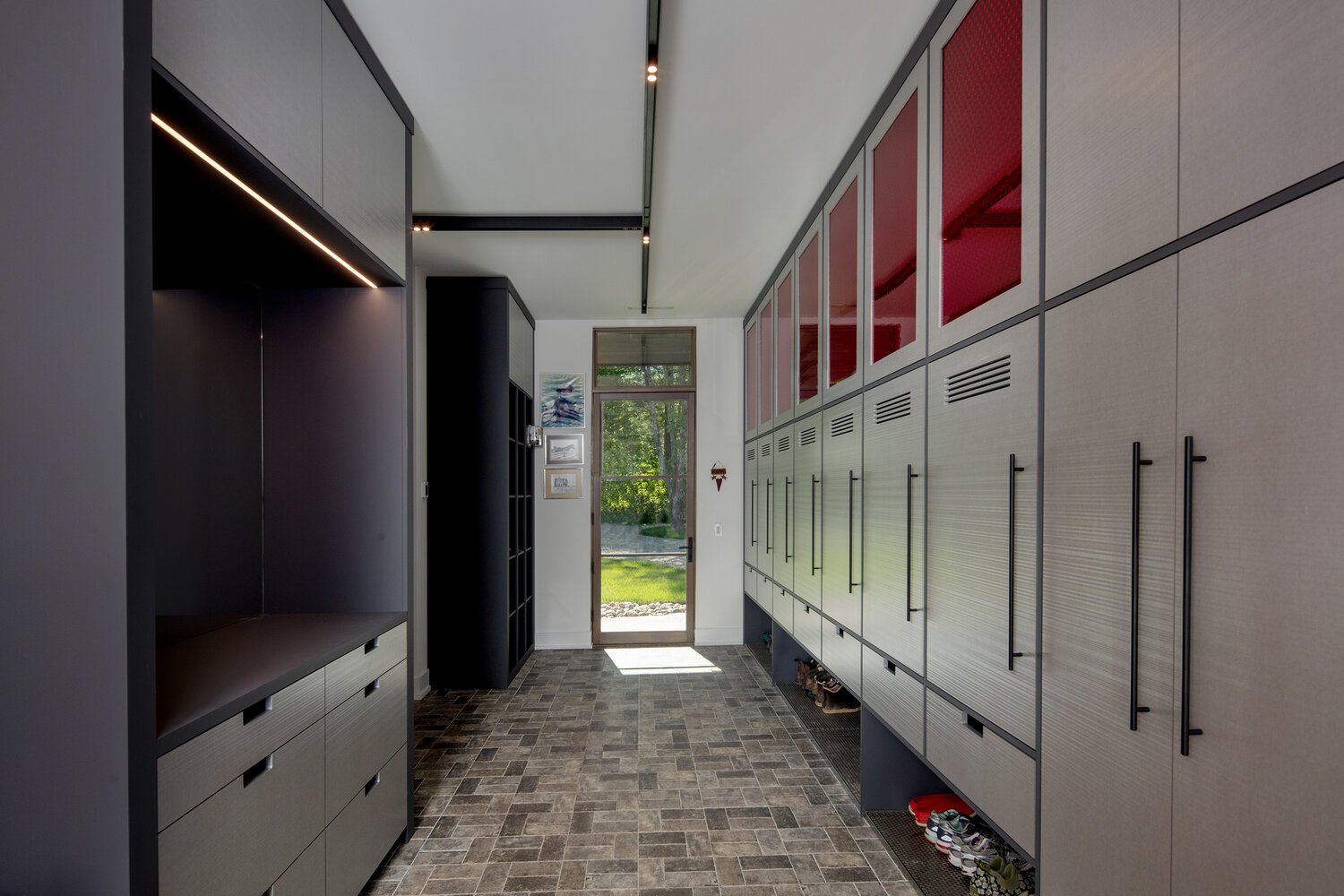
The mudroom has evolved into the home’s logistical hub. It now includes heated floors for drying boots, individual lockers with integrated charging ports, and specialized "pet stations" with built-in dog washes and food storage.

Value:

  • A well-designed mudroom prevents the "entryway bottleneck" and keeps the rest of the home clean and organized.

  • This strategically engineered space acts as the home's primary filter, managing the chaos of an active lifestyle before it has the chance to spill into the main living quarters.

10. Flexible Multi-Generational Suites

Custom homes are increasingly incorporating "Flex Suites" or ADUs (Accessory Dwelling Units).

These are self-contained living areas with private entrances, kitchenettes, and accessible bathrooms that can be used for adult children, aging parents, or long-term guests.

Value:

  • This feature future-proofs the home’s utility and increases resale value by offering versatility.

  • Designing for flexibility ensures the home remains a legacy property, capable of adapting to the evolving needs of a multi-generational family over several decades without requiring major renovations.


The Custom Home Unique Features Table

Feature Core Purpose Value Highlight
1. The Scullery Secondary "messy" kitchen for prep and cleanup. Keeps the main island clean and social for entertaining.
2. Invisible Smart Tech Integrated, hidden automation and climate control. Seamless security and energy savings without visual clutter.
3. Wellness Spa In-home recovery (saunas, steam, cold plunges). Supports long-term health and restorative rituals at home.
4. High-Performance Envelope Advanced air sealing, insulation, and triple-pane windows. Lower utility costs and a level of silence standard builds lack.
5. The Analog Retreat Device-free zones for reading and quiet connection. A vital mental health sanctuary in an over-connected world.
6. Hidden Storage Secret rooms and built-in motorized storage units. Maintains a minimalist aesthetic while maximizing utility.
7. 4-Season Transitions Pocketing glass walls and heated outdoor flooring. Expands usable living space year-round, regardless of weather.
8. Biophilic Design Integrating natural wood, stone, and indoor gardens. Reduces stress and bridges the gap between home and nature.
9. Mudroom Command Center Logistical hub with pet stations and gear drying. Acts as a primary filter to keep the rest of the home clean.
10. Flex Suites Self-contained multi-generational living quarters. Future-proofs the home’s utility for aging family or guests.
 

L Patten Understands Unique Custom Home Features

To bring these ten high-end features from concept to reality, you need more than just a builder; you need a partner with a legacy of craftsmanship. L Patten & Sons has spent over 60 years refining the art of custom home building in the Collingwood and Blue Mountain regions, making them uniquely qualified to execute the complex details required for these modern innovations.

The L Patten & Sons Advantage

  • Collaborative Design Partnership: We don't just build from a blueprint; we work alongside your architect and interior designer to ensure features like "invisible" smart tech and hidden sculleries are integrated seamlessly into the framing and cabinetry.

  • A "Quality Over Quantity" Approach: By only building a select number of homes each year, our team provides the daily on-site supervision necessary for high-performance building envelopes and intricate timber accents.

  • Deep Local Expertise: We understand the unique demands of the Georgian Triangle climate. From heated mudroom floors for drying ski gear to four-season indoor-outdoor transitions, we build for the way life is lived in this region.

  • Legacy Craftsmanship: As a family-owned business since 1958, we prioritize honesty and integrity. We treat every home as a masterpiece, ensuring that your wellness spa or analog retreat is built to the highest standards of the Tarion Warranty Program.

Ready to incorporate these standout features into your new home? Let us help you turn your vision into a space tailored perfectly to your lifestyle.

Contact L Patten & Sons Today!


Looking for a builder to construct your dream home? I would look no further, as you found the right team with L Patten and Sons. The craftsmanship and attention to detail shown by their tradespersons was exceptional. The house that was built for us is magnificent, built on time and on budget. Very easy to work with, the team made highly useful suggestions and were flexible to make modifications during the build when an improvement was apparent. The team from L Patten and Sons will go above and beyond to make your building experience a most positive one. You have two very satisfied customers here who highly recommend Patten and Sons for your building projects.
— Ruby Rosebuds
 

Maximizing Space in Your Custom Home: Clever Layouts for Small and Large Families

Custom home layouts are more than just a blueprint; it's your lifestyle. A well-designed floor plan can significantly impact your daily routines, from morning coffee to evening relaxation. By carefully considering the flow and functionality of each space, you can create a home that truly reflects your needs and desires.

In this article, we'll delve deeper into the key principles of floor plan design, explore common layout mistakes to avoid, and discuss how to create a floor plan that suits your unique lifestyle

Click on the title below to jump ahead:

1. Multipurpose Rooms

2. Open Concept Layouts

3. Privacy Options

4. Storage Solutions

5. Custom Home Layouts To Avoid

Need more advice about custom home layouts? Trust L. Patten & Sons for all of your design needs! We'll help turn your dream into reality.


Custom Home Layouts: Designing Space for Comfort and Efficiency

A thoughtfully planned layout ensures that every corner of your home is functional and inviting, promoting a sense of harmony and well-being. Before you begin planning, it's important to consider your family's lifestyle, size and future needs.

Here are some ideas to keep in mind when thinking about custom home layouts.

1. Multipurpose Rooms


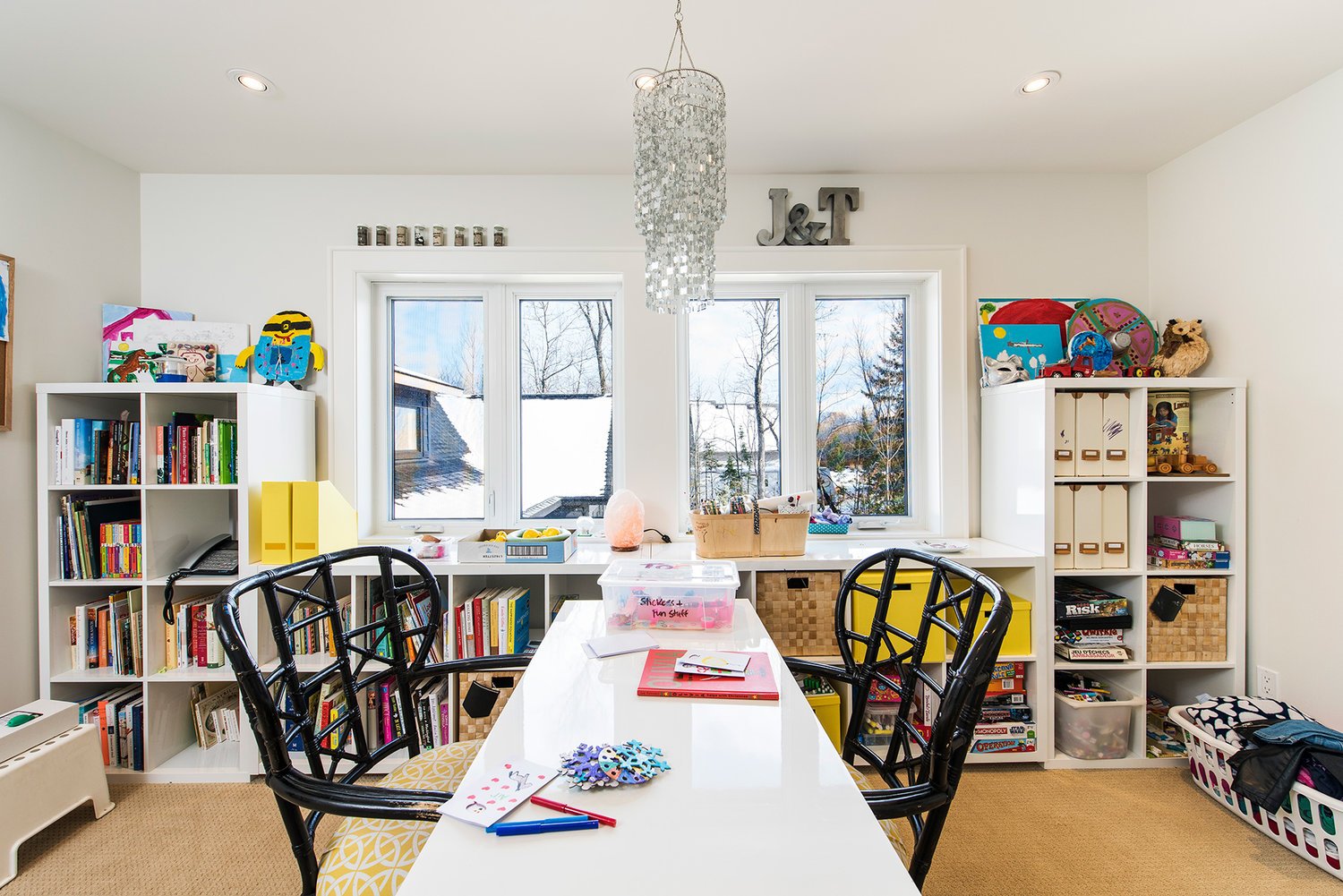
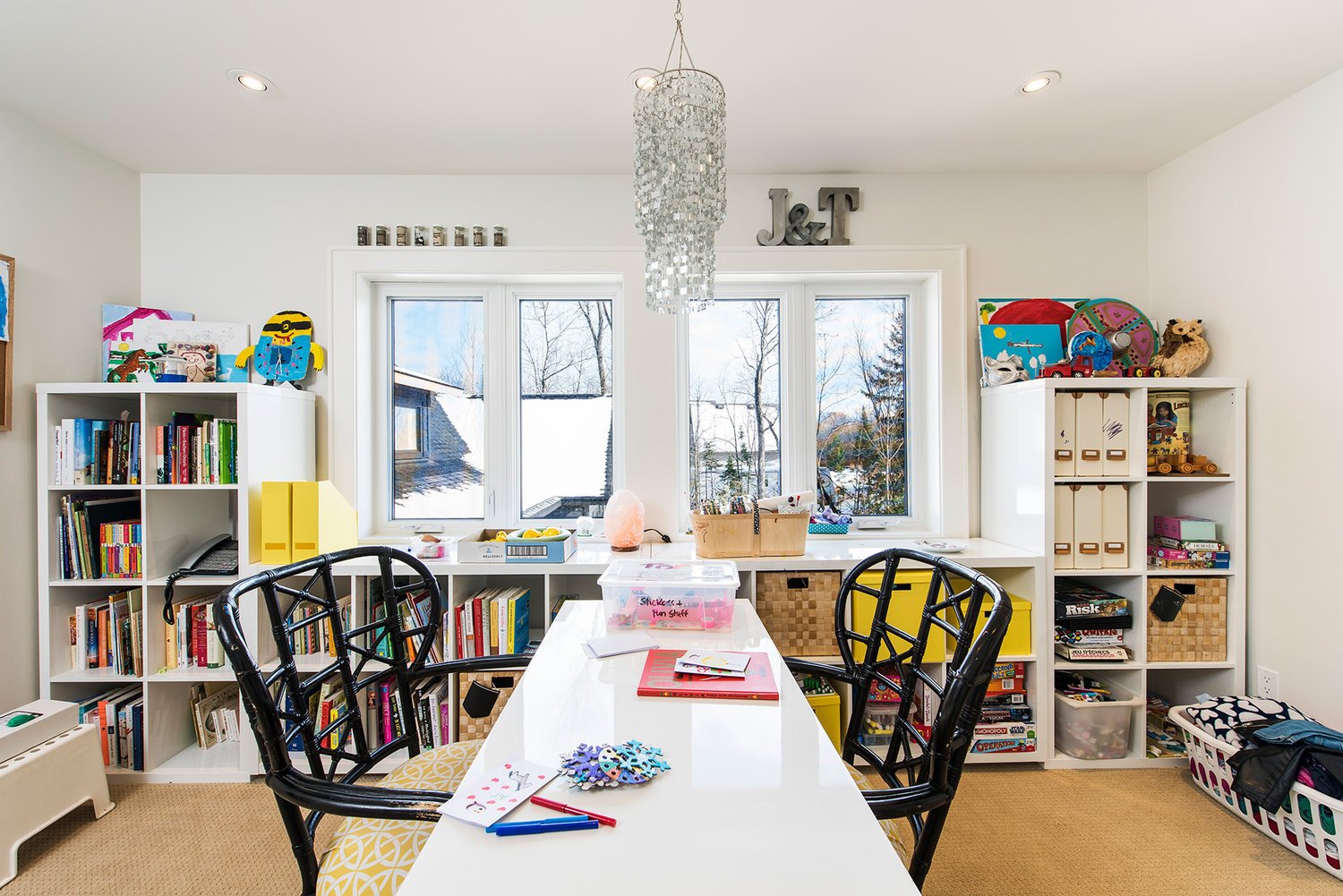
A popular multipurpose room in custom home layouts combines a kid’s play space and a hobby area.

Multipurpose rooms have become increasingly popular in modern homes, especially in urban areas where space is often limited. These versatile spaces can adapt to various functions, making the most of your home's square footage.

Why Multipurpose Rooms?

  • Space Efficiency: A single room can serve multiple purposes, reducing the need for additional dedicated spaces.

  • Flexibility: Easily adapt the room to suit different activities and occasions.

  • Enhanced Functionality: A well-designed multipurpose room can increase the overall functionality of your home.

Common Multipurpose Room Ideas

  • Home Office and Guest Room: A Murphy bed can transform a home office into a comfortable guest room when needed.

  • Playroom and Home Gym: Combine a play area for children with a designated workout space.

  • Hobby Room and Storage: A versatile space for hobbies like painting, crafting, or playing musical instruments, along with storage for seasonal items.

Design Tips for Multipurpose Rooms

  • Zone the Space: Use furniture, rugs, or paint colours to define different areas within the room.

  • Versatile Furniture: Invest in furniture that can serve multiple purposes, such as a sofa bed or a coffee table that can double as a dining table.

  • Flexible Lighting: Incorporate various lighting options, such as overhead lighting, task lighting, and accent lighting, to create different moods and atmospheres.

By thoughtfully planning and designing your multipurpose room, you can create a space that is both functional and stylish. An experienced home builder like L. Patten & Sons, can offer ideas on how to make these areas suited to your family’s size and needs.

2. Open Concept Layouts


If you love entertaining, an open concept layout is a great way to ensure your guests are able to mingle. 

Another trend in custom home layouts is the open concept. Open concept living has become increasingly popular in recent years, offering a modern and spacious feel to homes perfect for both larger and smaller families.

By removing walls between rooms, this design style creates a seamless flow between spaces, making homes feel larger and more inviting.

Benefits of Open Concept Living

  • Enhanced Social Interaction: Open-concept layouts encourage family and friends to gather and interact.

  • Increased Natural Light: Removing walls allows for more natural light to fill the space.

  • Visual Appeal: Open-concept designs can create a visually stunning and contemporary look.

  • Flexibility: These layouts can be easily adapted to suit different lifestyles and needs.

Design Tips for Open Concept Spaces

  • Define Spaces: While open-concept layouts are fluid, it's important to define different areas to maintain a sense of order and purpose. Use furniture arrangement, area rugs, and lighting to distinguish between living, dining, and kitchen areas.

  • Consider Traffic Flow: Ensure that the layout allows for easy movement throughout the space. Avoid creating traffic bottlenecks or awkward pathways.

  • Choose the Right Color Palette: A cohesive colour palette can unify the space and create a harmonious atmosphere.

  • Incorporate Texture and Pattern: Add visual interest with a variety of textures, patterns, and materials.

  • Strategic Lighting: Use a combination of ambient, task, and accent lighting to highlight different areas and create the desired ambiance.

  • Sound Considerations: While open-concept layouts can be great for social interaction, they can also amplify noise. Consider using sound-absorbing materials, such as rugs and curtains, to minimize noise pollution.

By following these tips, you can create an open-concept space that is both stylish and functional.for your family, large or small.

Contact an experienced home builder to learn more about how to make this layout work.


3. Privacy Options


Custom home layouts should include quiet spaces such as a private outdoor area.

Privacy is a luxury in today's world. When designing your space, it's essential to consider thoughtful custom home layouts that prioritize privacy without sacrificing functionality or style.

Here are some strategies to ensure your home is a private sanctuary:

Strategic Room Placement

  • Private Zones: Group private rooms like bedrooms and bathrooms together, away from common areas.

  • Dedicated Quiet Spaces: Create a secluded reading nook or home office for undisturbed work or relaxation.

  • Staggered Levels: Consider a split-level design to separate public and private areas, offering additional privacy.

Clever Use of Windows and Doors

  • Selective Placement: Position windows strategically to maximize natural light while minimizing visibility from outside.

  • Privacy Glass: Use frosted or tinted glass to obscure views into your home.

  • Window Treatments: Invest in high-quality curtains, blinds, or shades to control light and privacy.

Outdoor Privacy Features

  • Landscaping: Plant trees, shrubs, and hedges to create natural barriers and screen off views from neighbours.

  • Fencing: Consider a privacy fence or wall to define your property boundaries and enhance privacy.

  • Outdoor Rooms: Design outdoor living spaces, such as patios or balconies, with privacy in mind. Use pergolas, screens, or curtains to create secluded outdoor retreats.

By carefully considering these design elements, you can create a custom home that offers both privacy and comfort. Consult with home design experts to make sure these valuable needs are met.

4. Storage Solutions


Storage is a crucial aspect of home design, particularly in custom homes. Well-planned storage solutions can significantly enhance the functionality and organization of your space. An experienced builder, such as L.Patten & Sons, can help ensure your house design fits your family’s storage needs.

Here are some ideas to incorporate into your custom home layout:

Built-in Storage Solutions

  • Walk-in Closets: Spacious walk-in closets with custom shelving, drawers, and hanging rods provide ample storage for clothing and accessories.

  • Pantry Closets: Well-organized pantries with adjustable shelves and pull-out drawers can maximize storage space for food and kitchen supplies.

  • Built-in Bookshelves: Custom-built bookshelves can add a touch of elegance and provide ample storage for books, collectibles, and decorative items.

Creative Storage Ideas

  • Under-Stair Storage: Utilize the space beneath the stairs for storage solutions like built-in cabinets or drawers.

  • Hidden Storage: Incorporate hidden storage compartments in furniture pieces like ottomans, coffee tables, and bed frames.

  • Wall-Mounted Storage: Install wall-mounted shelves, hooks, and racks to maximize vertical space and minimize floor clutter.

Functional and Stylish Storage

  • Modular Storage Systems: Modular storage systems offer flexibility and can be easily customized to fit your specific needs.

  • Storage Benches: Combine seating with storage by opting for benches with built-in drawers or lift-top lids.

  • Corner Storage: Utilize corner spaces with corner shelves or cabinets to maximize storage potential.

By carefully planning and implementing these storage solutions, you can create a clutter-free and organized custom home that meets your family's needs and lifestyle.

5. Custom Home Layouts To Avoid


Read on to learn about custom home layouts to avoid.

When designing a custom home, the floor plan is a crucial element that can significantly impact your daily life. While it's exciting to envision your dream home, it's essential to avoid common layout mistakes that can hinder functionality and comfort.

Let's explore some common pitfalls to steer clear of:

Badly Designed Hallways

A poorly designed hallway can significantly impact the overall flow and functionality of your space. Here are some common hallway placement mistakes to avoid:

  • Restricted Movement: Narrow hallways can make it difficult to move furniture or navigate the home, especially for larger items. Cramped hallways can create a sense of confinement and reduce the overall openness of the home.

  • Dead-End Corridors: Dead-end hallways waste space and can make the home feel less connected. On the other hand, long, winding hallways can be inefficient and visually unappealling.

  • Poorly Placed Doors: Doors that open into hallways can obstruct traffic flow and create a cluttered appearance.

Poor Bedroom Location

The placement of bedrooms in custom home layouts can impact the overall comfort of your living space. Here are some common mistakes to avoid:

  • Lack of Privacy: A master bedroom located near high-traffic areas can compromise privacy. Also, bedrooms adjacent to noisy rooms, such as the kitchen or family room, can disrupt sleep.

  • Insufficient Natural Light: A master bedroom without adequate natural light can feel gloomy and uninviting.

  • Cramped Spaces: Small, cramped bedrooms can feel claustrophobic and uncomfortable.

  • Unfavourable Views: Bedrooms facing busy streets or unattractive views can negatively impact privacy and comfort. Also, excessive sunlight or lack of sunlight can affect room temperature and sleep quality.

  • Remote Or Shared Bathrooms: A bathroom located far from the bedroom can be inconvenient, especially at night. Shared bathrooms can lead to congestion and privacy issues.

Not Thinking Ahead

When designing a custom home, it's crucial to think beyond the present and consider future needs. A poorly planned layout can lead to significant inconveniences and costly renovations down the line. Here are some things to consider:

  • Aging in Place: As people age, accessibility becomes increasingly important. Features like wider doorways, ramps, and grab bars may be necessary.

    If you or a family member may face mobility challenges in the future, a well-planned layout can accommodate wheelchairs or walkers.

  • Changing Family Dynamics: As families grow and change, your home should be able to adapt. A flexible layout can accommodate new members or shifting living arrangements.

  • Remote Work: A dedicated home office or a flexible workspace can be essential for remote work or home-based businesses.

  • Wiring and Outlets: Ensure your home is wired for future technology, such as smart home devices and high-speed internet.

    Plan for cable management to keep your home clutter-free and organized.

By carefully considering your future needs, you can create a custom home that is both stylish and functional. Working with an experienced custom home builder, like L. Patten & Sons, will help you avoid layout disasters.

Remember, a well-designed home is an investment that will pay dividends for years to come.


Work With L. Patten & Sons


Your Vision, Our Expertise. At L. Patten & Sons, we're dedicated to turning your dream home into reality. Our deep understanding of custom home layouts, the local market and construction process ensures a smooth and stress-free experience. Let us handle the details so you can focus on what truly matters. Get in touch today


As an interior designer I have great respect for a company with the construction and management skills to build a home on time and in budget while meeting a client’s vision. Through every stage of construction the Patten team took our design and turned it into reality. We have our dream home.
— Maria C.
 

12 Small Things That Get Forgotten When Building A House

12 Small Things That Get Forgotten When Building A House

You've embarked on the incredible journey of designing your dream custom home. But amidst the whirlwind of major decisions, some seemingly minor details can slip through the cracks. Here, we'll unveil small things that get forgotten when building a house.

How to Create the Perfect Guest Suite for Your Custom Home

Today we are going to give you some helpful steps to take in order to create the perfect guest suite for your custom home

If you love hosting, then these tips will help you think through how you can make the most of your guest space when you are planning the design of your custom home. So let's get going!

  1. Choose a Quiet Corner of Your Home

  2. Customize the Temperature in Your Guest Suite

  3. Include a Guest Bathroom

  4. Include Lots of Electrical Outlets

  5. Plan for Lots of Natural Lighting

  6. Design a Closet that Accommodates Luggage

  7. Invest in a Good Bed

  8. Choose Furnishings Wisely

  9. Keep the Décor Simple But Classic

  10. Choose a Relaxing Colour Scheme

  11. Provide Lots of Fresh Towels

L. Patten & Sons specializes in custom-built homes in Collingwood and the Blue Mountain area. We'd love to put our 60 plus years of experience in building custom homes to work for you and build your dream home!


custom home guest suite.jpg

Learn how to design the perfect guest suite in your custom home


Creating the Perfect Guest Suite for Your Custom Home

If you plan to have a lot of overnight guests in your custom home, then designing a guest suite that caters to hosting is a great idea.

Building a guest suite in your home can offer numerous benefits:

A. Comfortable Accommodations for Visitors:

  • Privacy: A separate space for guests ensures they have privacy and can relax comfortably.

  • Convenience: A dedicated guest suite eliminates the need for guests to share your personal space.

  • Amenities: A well-appointed guest suite can include a private bathroom, comfortable bedding, and a cozy seating area.

B. Potential Rental Income:

  • Short-Term Rentals: If you live in a popular tourist destination, a guest suite can be rented out on platforms like Airbnb or VRBO.

  • Long-Term Rentals: Renting out a guest suite can provide a steady income stream.

C. Future-Proofing Your Home:

  • Aging in Place: A guest suite can be converted into a bedroom or office as your family's needs change.

  • Multi-generational Living: It can accommodate extended family members or provide a space for a live-in caregiver.

D. Increased Home Value:

  • Attractive Feature: A well-designed guest suite can add value to your home.

  • Potential Rental Income: The potential for rental income can make your home more appealing to buyers.

By considering these factors, you can determine if a guest suite is the right choice for your home and lifestyle.

Here are some steps to take when planning out your guest suite.

Step1: Choose a Quiet Corner of Your Home

When you are planning out the layout of your custom home, think about the best spot for your guest suite. You probably want to choose a corner of your home that is not in the middle of most of your family's activity.

For example, don't locate it next to the nursery or children's playroom. Your guests may want to go to bed early or sleep in late which may not coincide with your children's schedule.

 
mountain-bedroom.jpg

Select a quiet spot in your home for your guest suite

Step 2: Customize the Temperature in Your Guest Suite

When planning out your custom home, a great recommendation is to install an HVAC system that allows you to have different temperatures in each room. This is known as whole-house zoning. Whole-house zoning lets you precisely control the temperature in each area of your home by giving you a thermostat in each room.

Not only is this a great feature for your guests who may like their room to be a different temperature than what you prefer, but it is also a great way to save on your utility bills by allowing you to lower the heat or air conditioning in rooms that you are not using.

Step 3: Include a Guest Bathroom

If possible, include a bathroom that your guests can use that they don't have to share with the rest of your family.

This will give both them and you extra privacy and will be a great selling feature if you are planning to rent out the room to people that you don't know.

 
guest bathroom.jpg

Give your guests their own bathroom

Step 4: Include Lots of Electrical Outlets

When planning out your guest suite, it is a good idea to include lots of electrical outlets in convenient spots, so that your guests can easily plug in any devices they have brought along with them.

For example, make sure that there are outlets close to the side of the bed for charging their cellphones and plugging in bedside lamps. You may also want to include an outlet for a small fridge so that they can have cool drinks handy.

Step 5: Plan for Lots of Natural Lighting

To make your guest suite more cheery, make sure that you choose to install large or multiple windows to let in the natural light. You could also install a skylight for them.

 
hoover+master+1.jpg

Install lots of windows for natural lighting

Step 6: Design a Closet that Accommodates Luggage

When designing the closets in your guest suite in your custom home, make sure that you make them deep enough to fit luggage. That way your guests will be able to easily store their suitcases and not have to be constantly tripping over them.

Step 7: Invest in a Good Bed

Your guests will thank you if you spend that little extra to get a really good bed for them to enjoy a good night's sleep in. A good-sized bed (queen or king-sized) is worth the investment and it will last longer.

Also, choose quality bedding that will last. White is a good choice for sheets as it will show your guests how clean it is. After all, that's why good hotels always have white sheets.

 
guest suite.jpg

White bedding looks and feels cleaner than other colours

Step 8: Choose Furnishings Wisely

Make sure you include a few pieces of furniture that will enhance your guests' stay. For example, have a dresser where they can keep their clothing and include a bench or lower table that they can lay their suitcases on for easy packing and unpacking.

If you have enough space in the room, set up a sitting area where your guests can relax. Remember that not everyone likes to sit on a bed.

Step 9: Keep the Décor Simple but Classic

Your guest suite is not the best place to try out your most creative design ideas. Keeping the décor simple but classic will appeal to a wider group of people.

Don't clutter this room with lots of knick-knacks and unnecessary furniture. Keep it as open and inviting as possible with lots of space to move around.

 
custom home guest room.jpg

Keep your design simple and uncluttered

Step 10: Choose a Relaxing Colour Scheme

Choose colours that are cool and that are more relaxing such as blues and greens for your colour palette. You should stay away from warm colours such as red, yellow, and orange which invoke more active feelings.

You want your guests to feel relaxed while they are with you, so cool colours will better achieve that goal.

Step 11: Provide Lots of Fresh Towels

Along with clean bedding, you should provide your guests with lots of clean towels.

Having nice clean towels is an added touch that can make a big difference to your guests' stay and they can add a beautiful accent colour to the guest bathroom.

 
guest towels.jpg
 

L Patten Can Help You Create a Dream Home With Hosting in Mind

If you are thinking of building the custom home of your dreams that includes a guest suite of your design, contact L. Patten & Sons. Here at L. Patten & Sons, we bring over 60 years of custom home building experience to every project we undertake. We take pride in building custom homes that are as beautiful to look at as they are comfortable to live in.

We make it our goal to help all our clients realize their dreams. Quality craftsmanship, attention to detail, and complete customer satisfaction are what sets L. Patten and Sons apart in the Collingwood and Blue Mountain area custom home building community. Take a look for yourself at our gallery of some of the custom homes that we have built.

Our homeowners can rest assured that their new home will be a source of pride and satisfaction for many years to come! Contact us today to get started on your dream home.


L. PATTEN & SONS LIMITED

23 Stewart Road
Collingwood, Ontario
L9Y 4M7

Tel 705.444.6186
Fax 705.444.5308
Email Kristine at info@lpattenandsons.ca


What Our Customers Are Saying

“Looking for a builder to construct your dream home? I would look no further, as you found the right team with L Patten and Sons... You have two very satisfied customers here who highly recommend Patten and Sons for your building projects.”
— Ruby Rosebuds
 

5 of the Most Inspiring Custom Home Designs

if you are looking for some inspirational custom home designs, you have come to the right place. L. Patten & Sons specializes in custom-built homes in Collingwood and the Blue Mountains area. For the past 60 years, we have been working to build our customers the homes of their dreams! You could be next. Consider the following custom home designs and start dreaming big. When it comes time to build, contact L. Patten & Sons. Quality craftsmanship, attention to detail and complete customer satisfaction are just a few of the qualities that set us apart from other home builders.